Elevator Usage & Safety (Otis, 2007)
This building is equipped with an Otis elevator from 2007, which over the years has been fitted with several modern upgrades, including a digital information screen. In this chapter, we discuss the most important safety features, what you should do in case of an emergency, and how the door sensors work in detail.
1. What to Do in Case of Emergency (Elevator Blockage)?
A common question is what you should do if the elevator unexpectedly gets stuck. After all, there is no 4G signal in the underground parking garage, making it often impossible to use a mobile phone. Fortunately, the elevator is equipped with an independent emergency system:
- The yellow emergency button: At the bottom of the control panel, you will find a prominent yellow button with a bell symbol (see lift4.jpeg). This is not a simple buzzer that only sounds locally in the hallway.
- Direct connection: If you press and hold this button for at least 3 to 5 seconds, you activate the built-in intercom (the microphone and speaker are located behind the perforated holes in the cabin wall, seen in lift5.jpeg).
- Independent of your mobile: The elevator has its own built-in landline (or a specialized module with an external antenna outside the shaft). The call goes directly through to the 24/7 Otis dispatch center. Therefore, you can always call for help, even without a 4G signal on your own phone.
- Status display: On the modern digital color screen (visible in lift6.jpeg), you will also see a bell symbol. This icon displays the status of the emergency connection.
2. Door Operation: Why Doesn't the Elevator "See" My Shopping Bag?
You may have noticed that if you hold a shopping bag between the closing doors, the door simply continues closing until it physically collides with the bag. Why is this?
- Single Infrared (IR) beam: Unlike very modern elevators that use a "light curtain" (dozens of sensors across the full height of the door), this 2007 elevator is equipped with a single optical sensor (a so-called point-to-point photocell).
- The blind spot: You can spot these sensors as the round, dark caps on the door frames (see lift2.jpeg and lift3.jpeg). They are located at a fixed height (usually around knee level). If your shopping bag or hand is positioned just above or below this invisible horizontal beam, the sensor detects nothing at all.
- Mechanical safety: Fortunately, the elevator is doubly protected. As soon as the door senses physical resistance (for example, when bumping into your shoulder or a bag), the motor registers this resistance and will immediately reopen the door.
Please Note: The "Slow-Motion" Mode
If you intentionally or accidentally block the doors multiple times in a row using physical resistance, the elevator enters a safety mode. The elevator then "thinks" that the sensor is defective or that vandalism is involved. To prevent damage to the doors and the motor, the elevator will close the doors in "slow-motion" (with greatly reduced speed and force) on the next cycle. This completely matches your observation! After a successful closing, the system usually resets itself for the next ride.
3. Technical Overview (For Enthusiasts)
For a better understanding of the installation, here are the main technical specifications of this Otis elevator:
- Model & Capacity: This is an Otis installation from 2007. According to the specifications on the display (lift6.jpeg), the elevator has a maximum load capacity of 450 kg (equivalent to a maximum of 6 persons).
- Modernization (e-View): The elevator has been upgraded with an Otis e-View display. This system (lift6.jpeg) shows current news reports, date, and time, and also functions as a visual indicator for the emergency call system.
- Inspection & Maintenance: The elevator is officially maintained by Otis (24-hour emergency number: 924 92 50 24). The installation complies with the requirements of the Junta de Andalucía. As seen on the inspection sticker (lift1.jpeg), the last periodic inspection (by SGS) took place on March 12, 2026, with a favorable result (favorable). The next major inspection is scheduled for March 2027.
- Door Detection: Protected via a combination of a single IR photocell (lift2.jpeg and lift3.jpeg) and a torque/resistance sensor on the door motor, including "Nudging" (slow-motion) software as an anti-sabotage measure.
Elevator Reference Photos
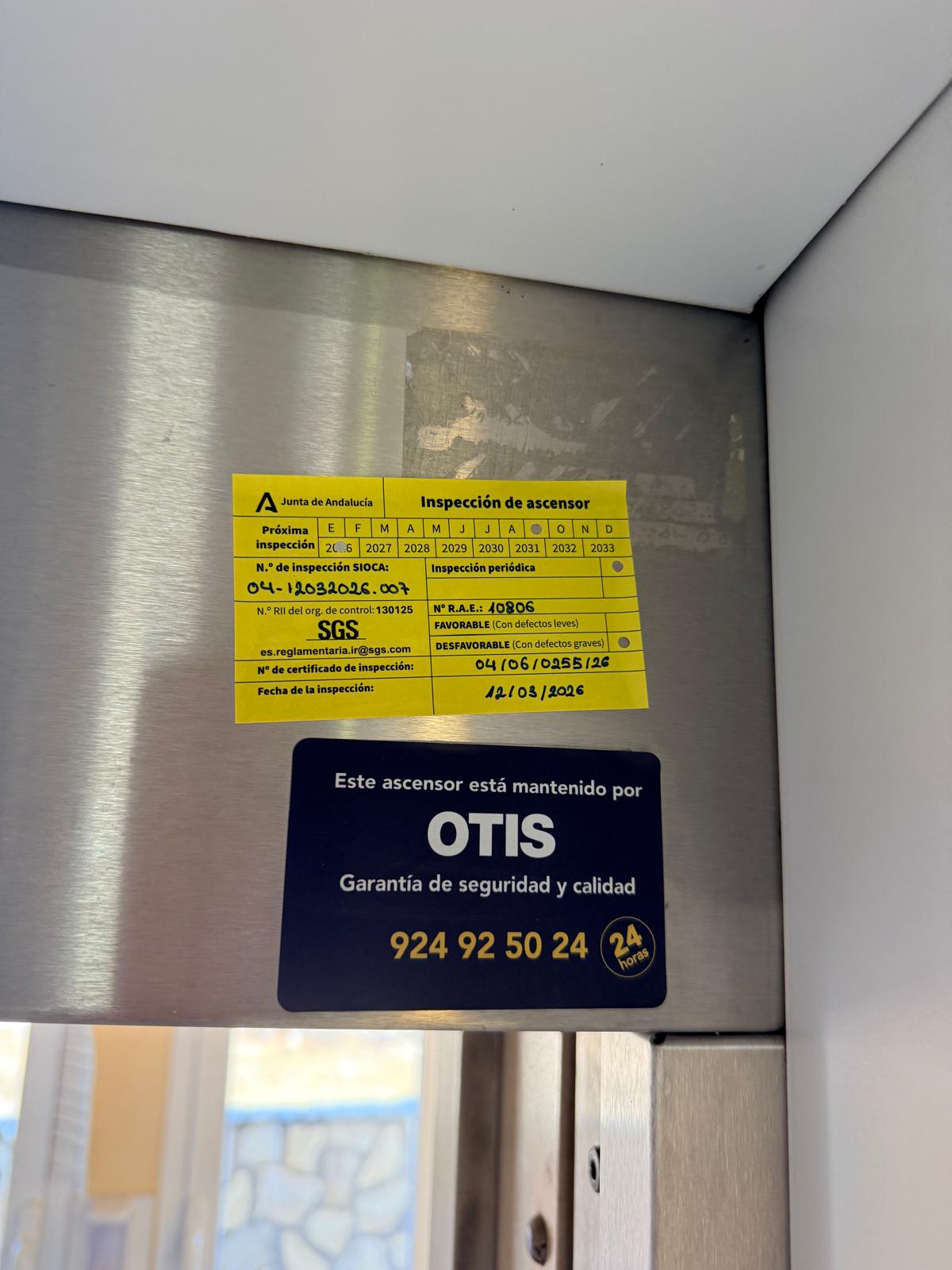
Photo 1: Inspection sticker & Otis 24h contact
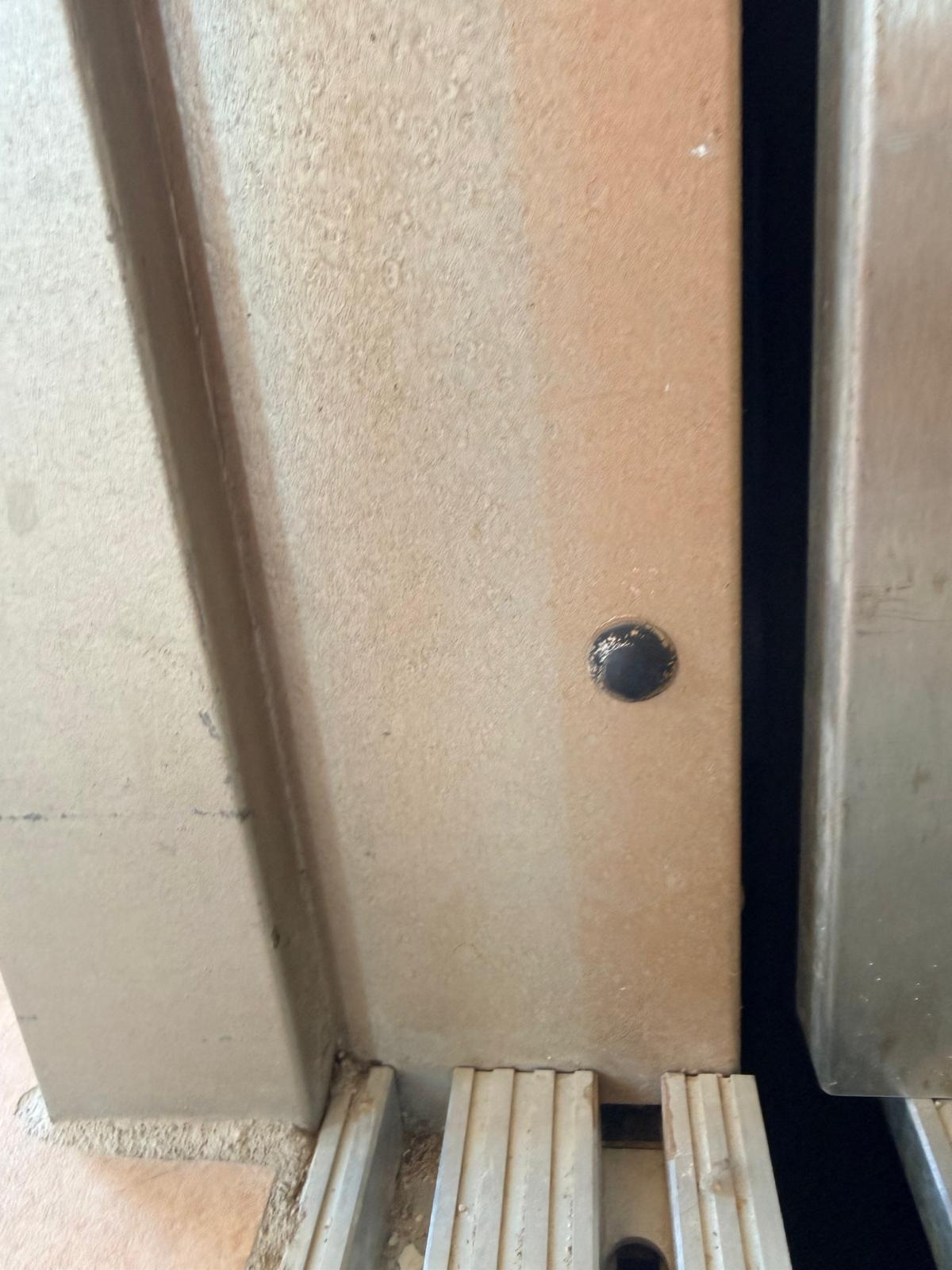
Photo 2: Left door frame IR sensor
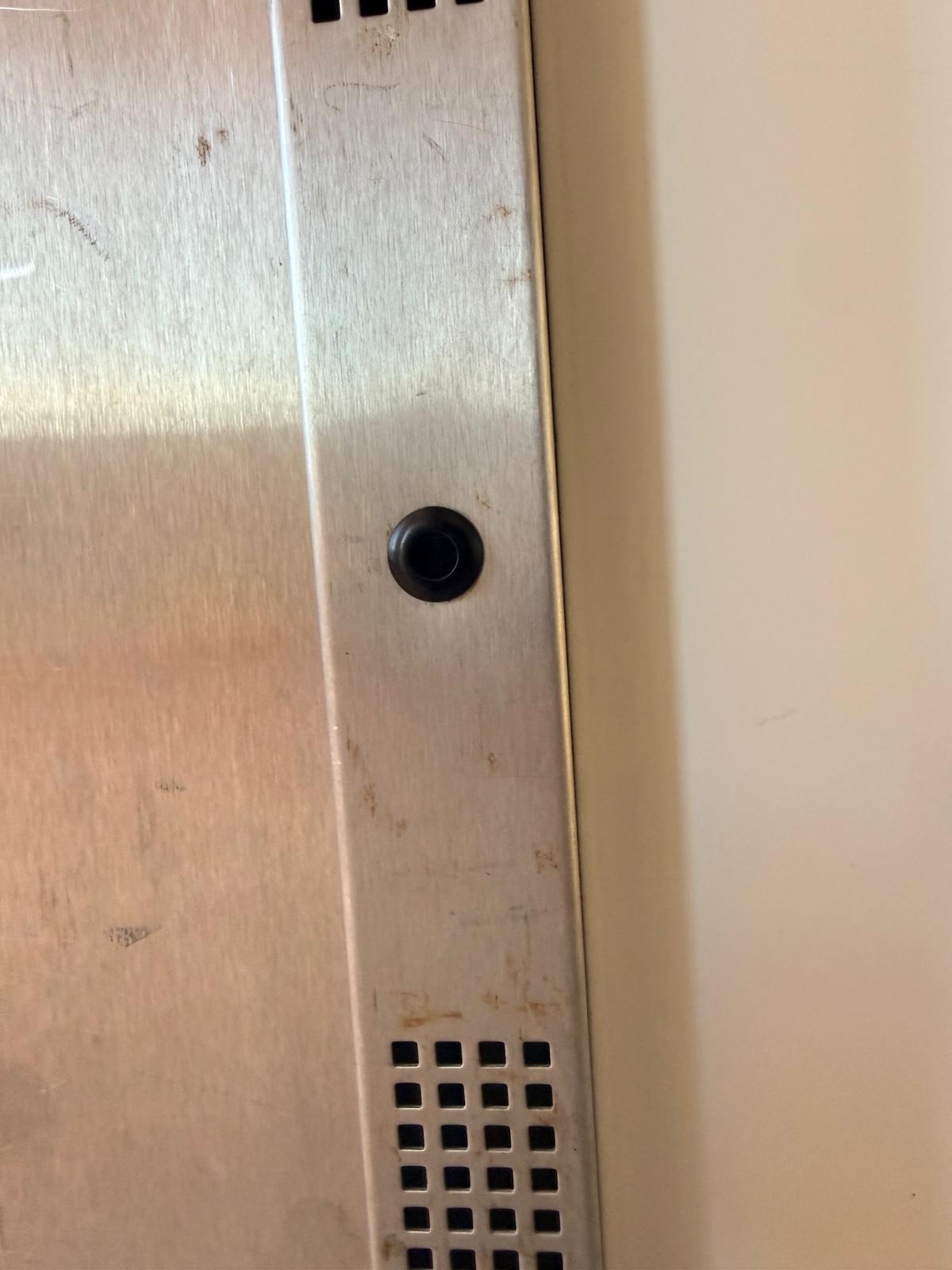
Photo 3: Right door frame IR sensor
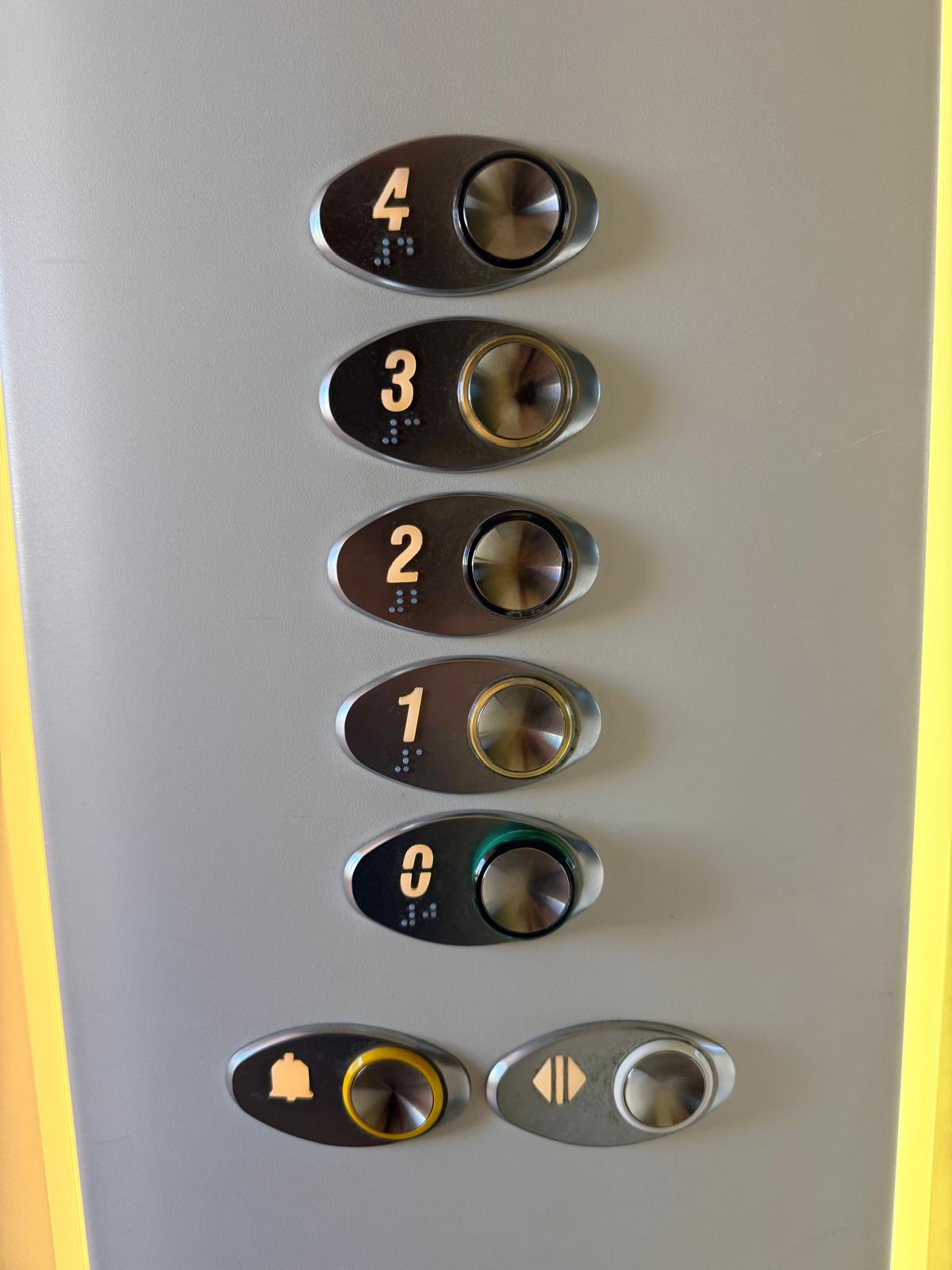
Photo 4: Button panel with yellow emergency alarm
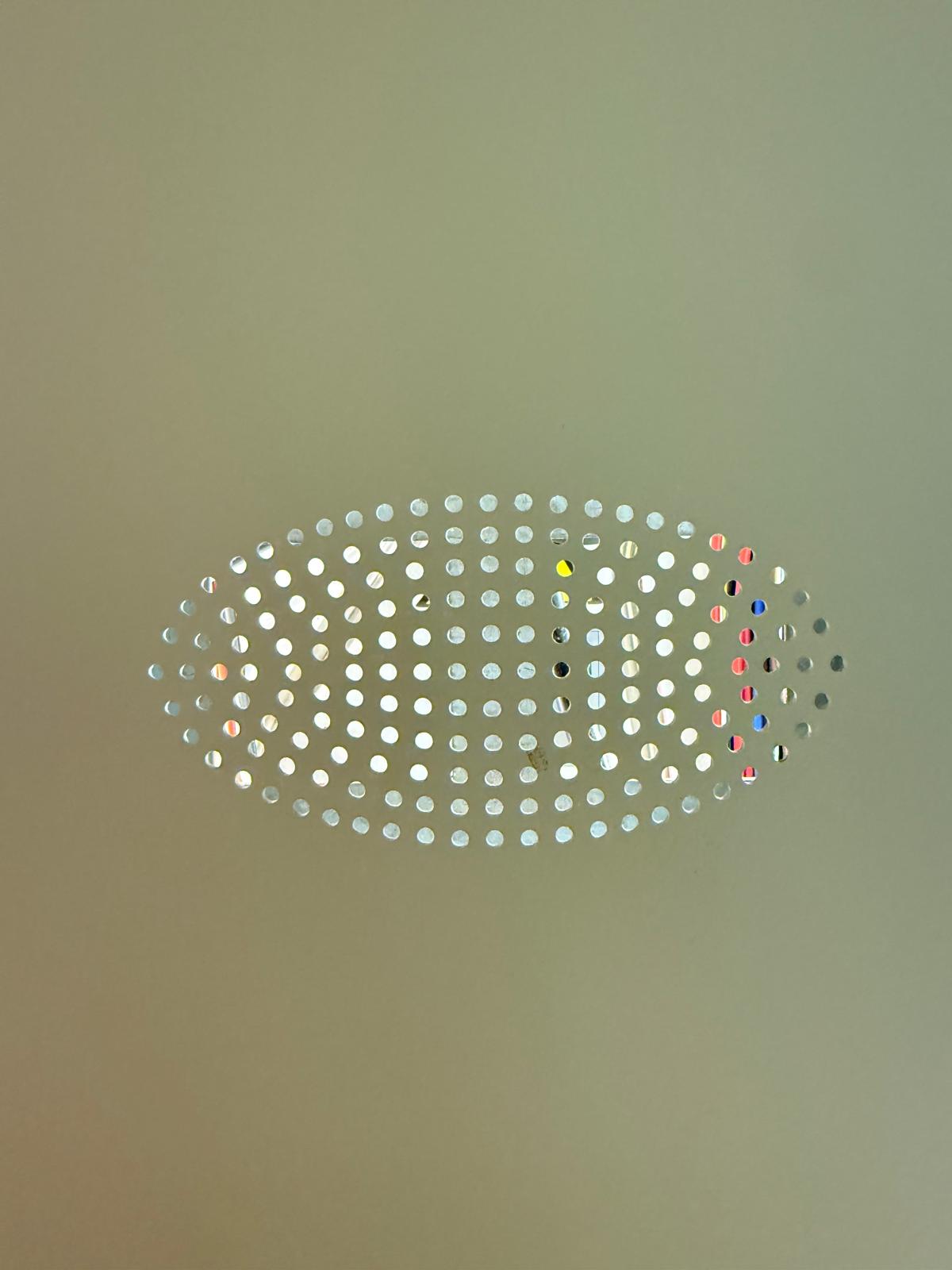
Photo 5: Built-in intercom microphone/speaker
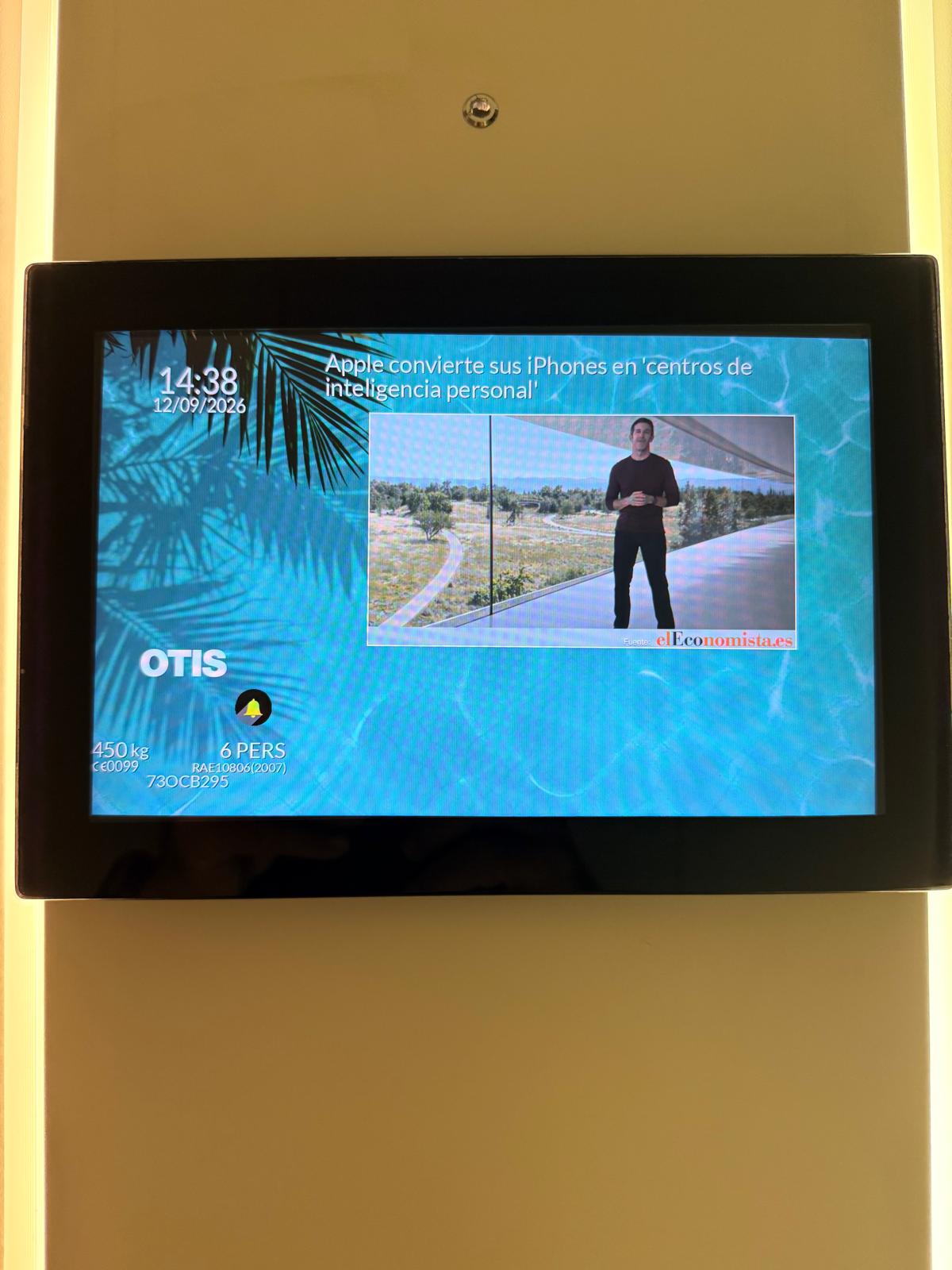
Photo 6: Otis e-View digital display (450kg / 6 Pers)