Garden, Planters & Automated Irrigation System
The Mediterranean outdoor spaces at Mirador del Mar span across the second and third floors, featuring robust drought-tolerant landscaping, decorative stone finishes, and atmospheric accent lighting. On the third floor, you will also find a striking stone fountain offering sea views. In this chapter, we explain how the automated irrigation system works, detail every plant species with its specific care requirements, and outline operational checklists for the fountain and garden spotlights.
1. Overview of Floors 2 & 3, Fountain & Spotlights
The layout is optimized for the local Andalusian climate, combining low-maintenance stone ground covers with curated planters and architectural features:
- Terrace and Garden Layout: Distributed across the second and third floors, featuring light-colored decorative gravel layers that help retain subsoil moisture and prevent weed growth.
- The Third-Floor Fountain: Located on the upper terrace (see Photo 11), this ornamental multi-tier stone fountain provides a beautiful focal point with expansive sea views. Please note: The fountain is currently out of operation; routine testing is required to verify pump status and functionality.
- Garden Spotlights: Strategic exterior spots illuminate key architectural plants and structures during evening hours. Please note: Routine testing is required to verify that all spotlight circuits and bulbs are operating correctly.
2. How the Automated Irrigation System Works
To keep vegetation thriving through hot summer periods without manual intervention, an automated drip irrigation network has been installed across all planting zones:
- Main Supply Lines & Manual Valves: Heavy-duty black polyethylene (PE) supply lines run discreetly along exterior walls and through planter beds (see Photo 1). Inline ball valves with wing handles allow specific zones to be manually isolated or opened when needed.
- Adjustable Drip Emitters: Positioned directly at root zones, individual micro-emitters (recognizable by their adjustable green caps, see Photo 2) allow precise flow control, ensuring each plant receives its exact water requirement without waste.
- Planter Integration: Raised stone planters featuring leaf-relief patterns (seen on floors 2 and 3) are fully integrated into the automated drip network, ensuring potted specimens receive consistent hydration.
3. Plant Directory: Species, Characteristics & Care
Detailed reference guide for every plant and tree located in the garden and planters:
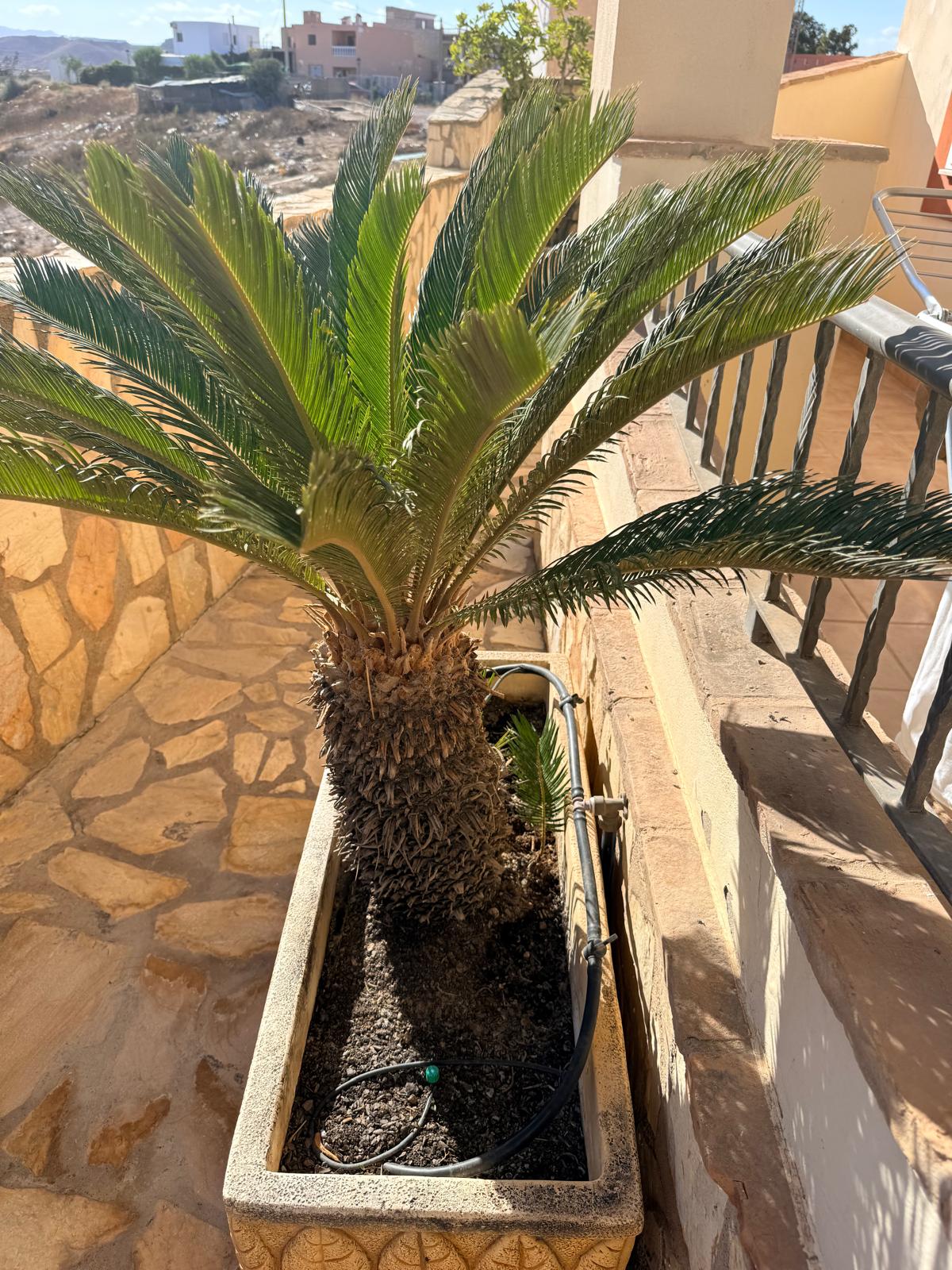
Photo 3: Cycas revoluta
Cycas revoluta (Sago Palm)
Featured in: Photo 3, Photo 4, Photo 12 & Photo 13
Characteristics: Slow-growing exotic cycad featuring a thick, textured trunk and a stiff crown of dark green, feathery fronds.
Water: Moderate. Allow soil to dry out thoroughly between watering sessions; highly drought-tolerant but intolerant of waterlogged roots.
Sun/Shade: Prefers full sunlight to partial shade.
Additional Info: Not a true palm despite its common name; toxic to pets if ingested.
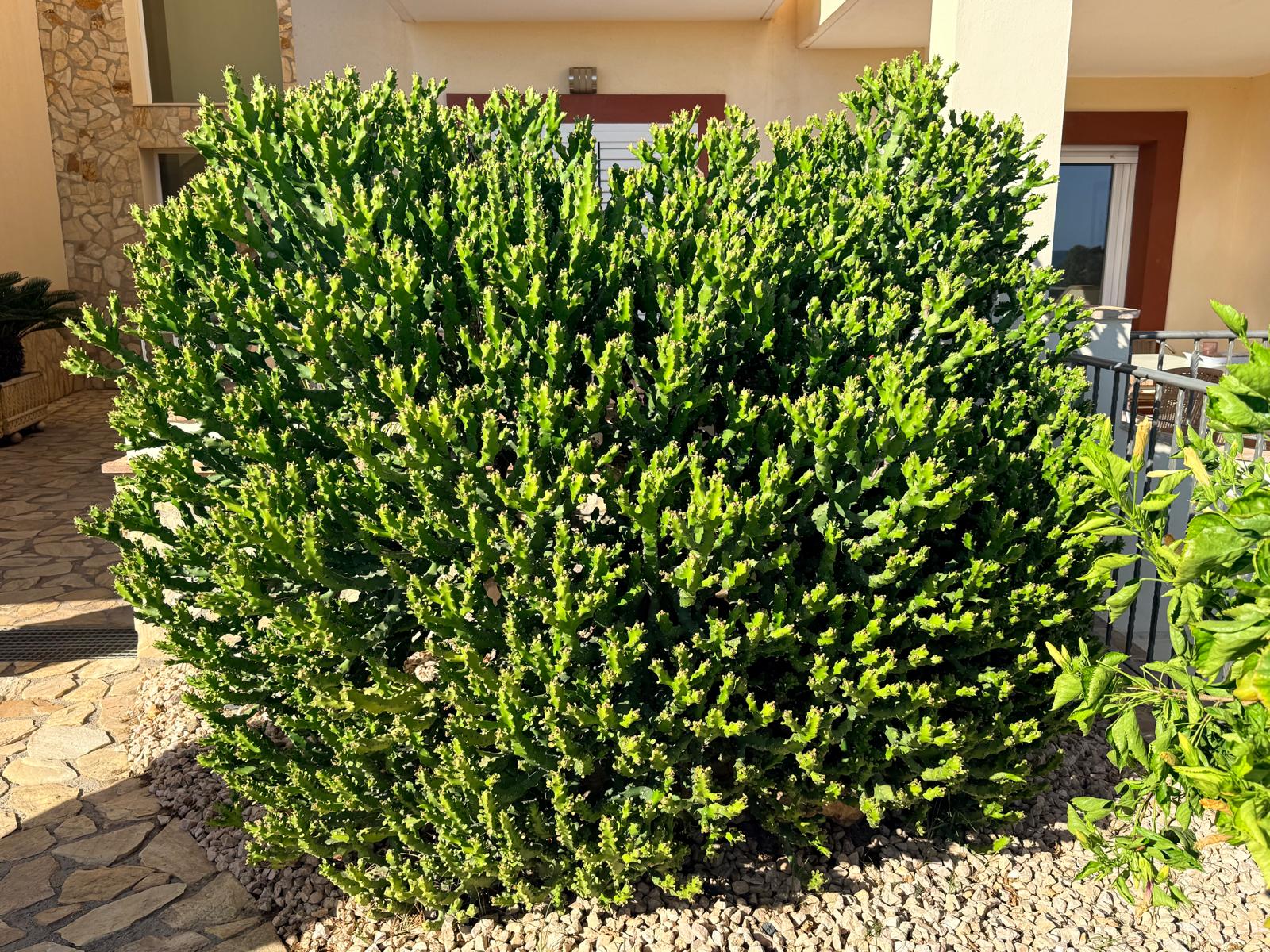
Photo 5: Euphorbia ingens
Euphorbia ingens (Candelabra Tree)
Featured in: Photo 5, Photo 6 & Photo 10
Characteristics: Imposing, treelike succulent with fluted, candelabra-like branching stems that can reach substantial heights.
Water: Very low. Water only when the potting mix or soil is completely dry; minimal moisture required during winter months.
Sun/Shade: Full sun. Thrives best under intense sunlight.
Additional Info: Contains a milky white sap that can irritate skin and eyes; handle with care during pruning.
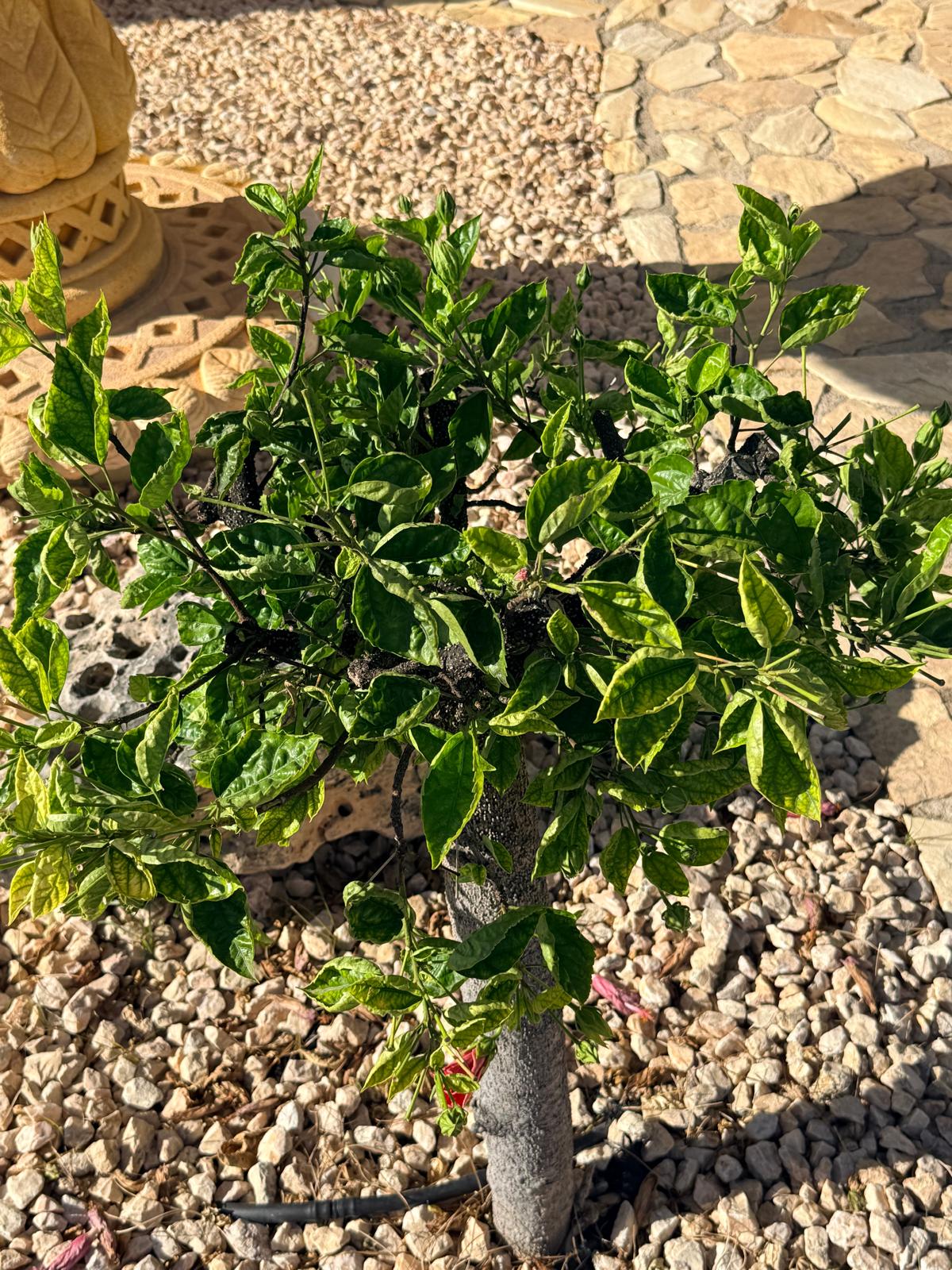
Photo 7: Hibiscus rosa-sinensis
Hibiscus rosa-sinensis (Chinese Hibiscus)
Featured in: Photo 6, Photo 7, Photo 8 & Photo 16
Characteristics: Elegant shrub trained on a standard trunk with glossy, dark green leaves and vibrant, trumpet-shaped blooms (yellow, pink, or red).
Water: Regular. Requires consistent moisture during hot summer weeks to prevent bud drop; keep soil lightly damp.
Sun/Shade: Sunny, sheltered location required for abundant flowering.
Additional Info: Heavy pruning in early spring encourages dense foliage and prolific summer flowering.
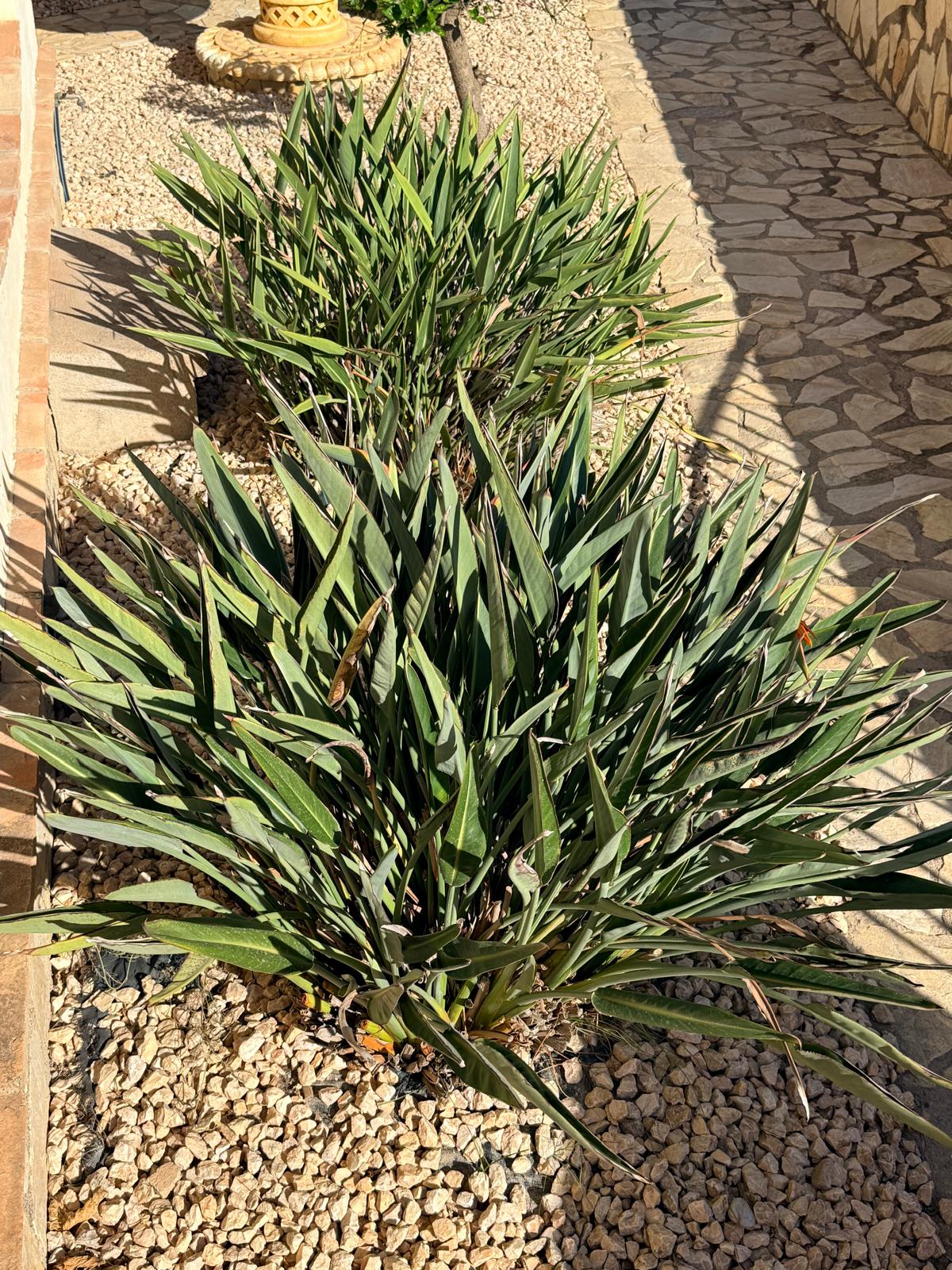
Photo 9: Strelitzia reginae
Strelitzia reginae (Bird of Paradise)
Featured in: Photo 9 & Photo 14
Characteristics: Recognized by its stiff, lance-shaped, blue-green foliage growing in a distinctive fan-like cluster.
Water: Moderate. Water regularly during the active growing season; reduce slightly in winter.
Sun/Shade: Prefers a sunny position; tolerates light shade.
Additional Info: Extremely resilient coastal plant well-suited to wind and salt air; produces unique crane-like orange and blue flowers.
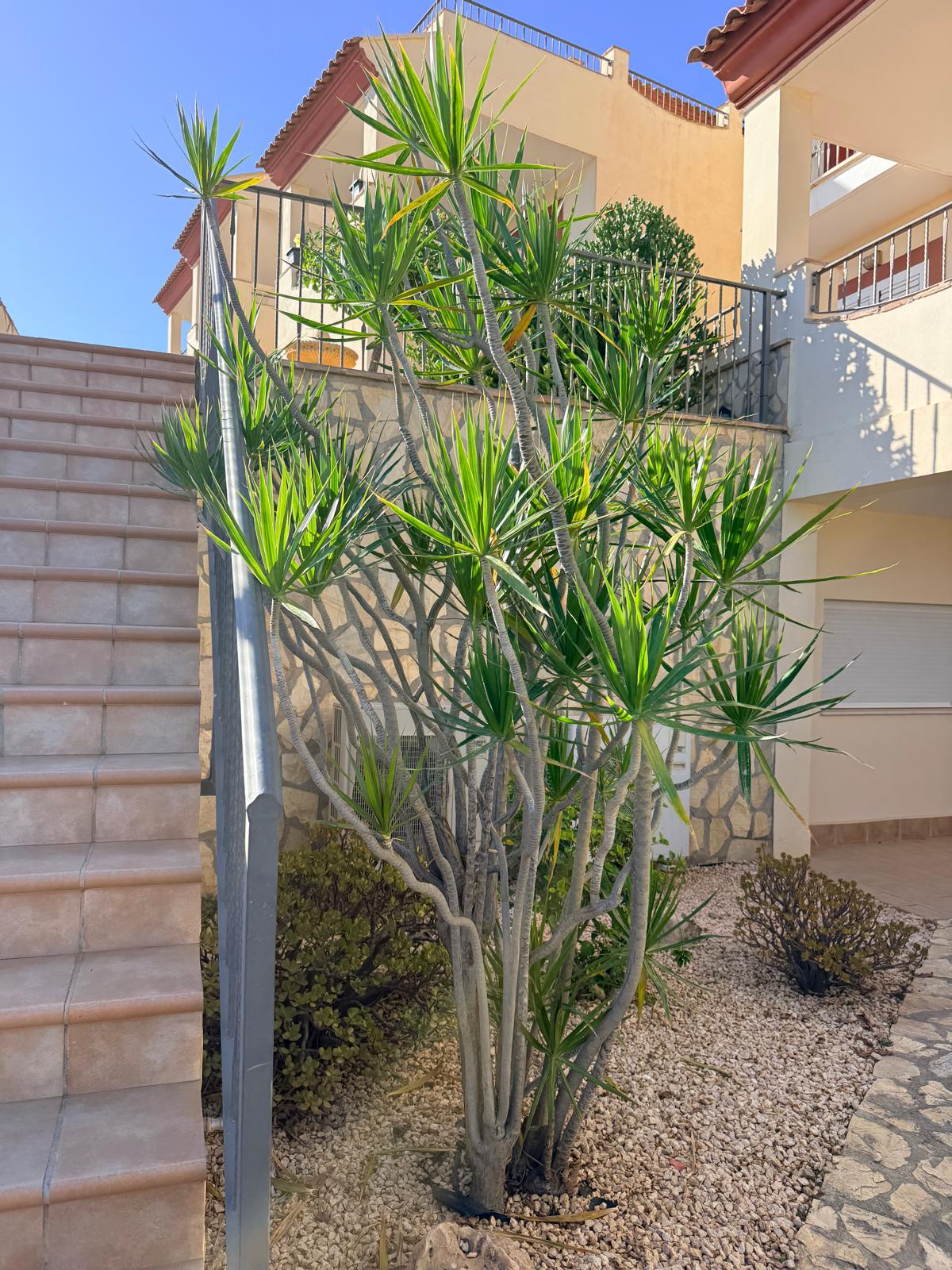
Photo 11: Dracaena marginata
Dracaena marginata (Madagascar Dragon Tree)
Featured in: Photo 11 & Photo 17
Characteristics: Slender, graceful multi-stemmed architectural tree with slender grey trunks topped by rosettes of narrow, sword-shaped green leaves.
Water: Low. Highly drought-tolerant once established; allow the top layer of soil to dry out completely between waterings.
Sun/Shade: Full sun to partial shade.
Additional Info: Adds striking vertical accent lines next to exterior stairwells and terraces; resilient against coastal winds.
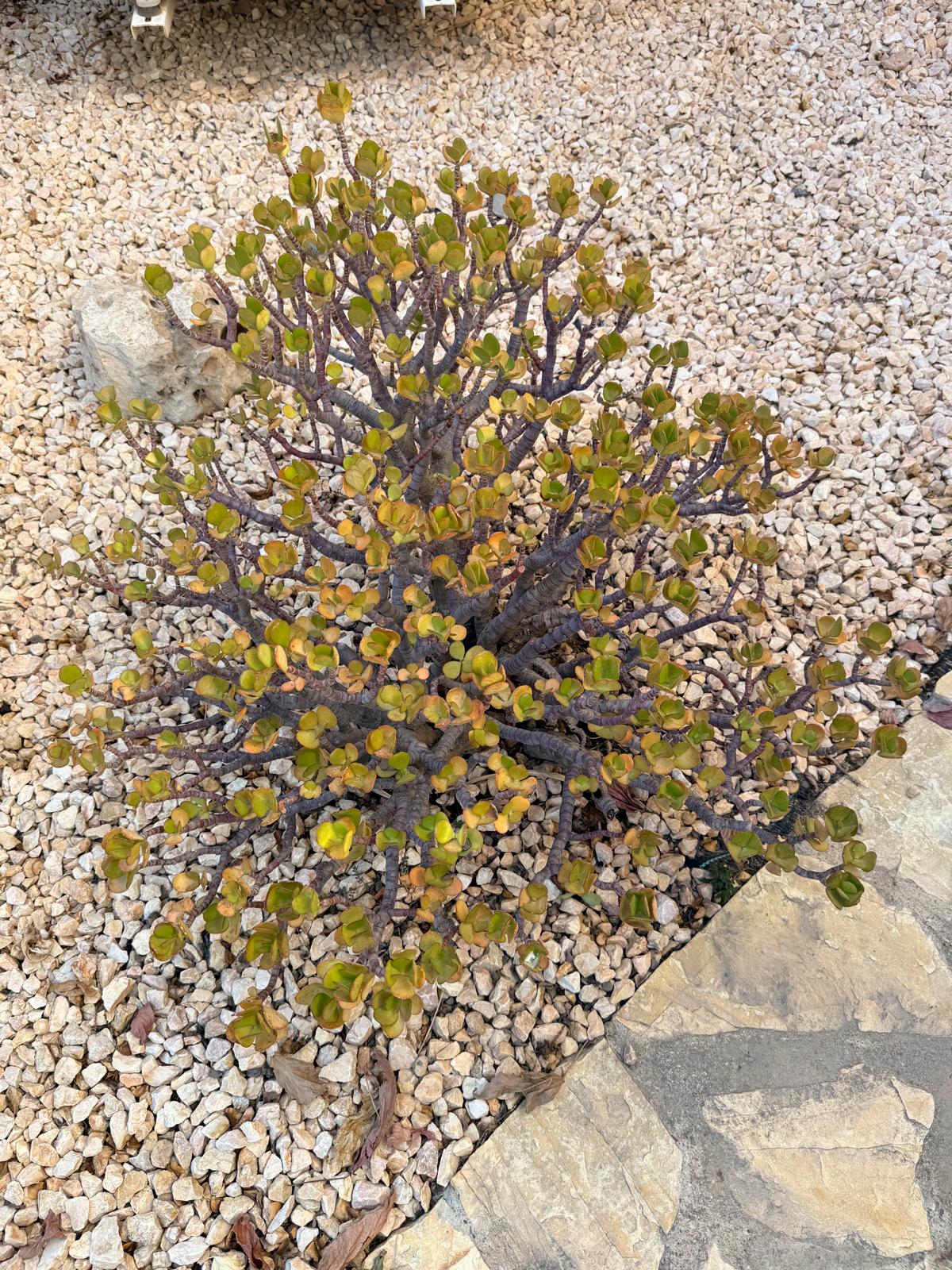
Photo 15: Crassula ovata
Crassula ovata (Jade Plant / Money Tree)
Featured in: Photo 15 & Photo 18
Characteristics: Sturdy, bushy succulent with thick, woody stems and glossy, fleshy oval leaves that often develop reddish margins in strong sun.
Water: Low. Water thoroughly only when the soil is completely dry; sensitive to overwatering and root rot.
Sun/Shade: Full sun to partial shade.
Additional Info: Extremely hardy Mediterranean landscape filler that requires minimal maintenance and propagates easily from fallen leaves.
Garden Reference Photos
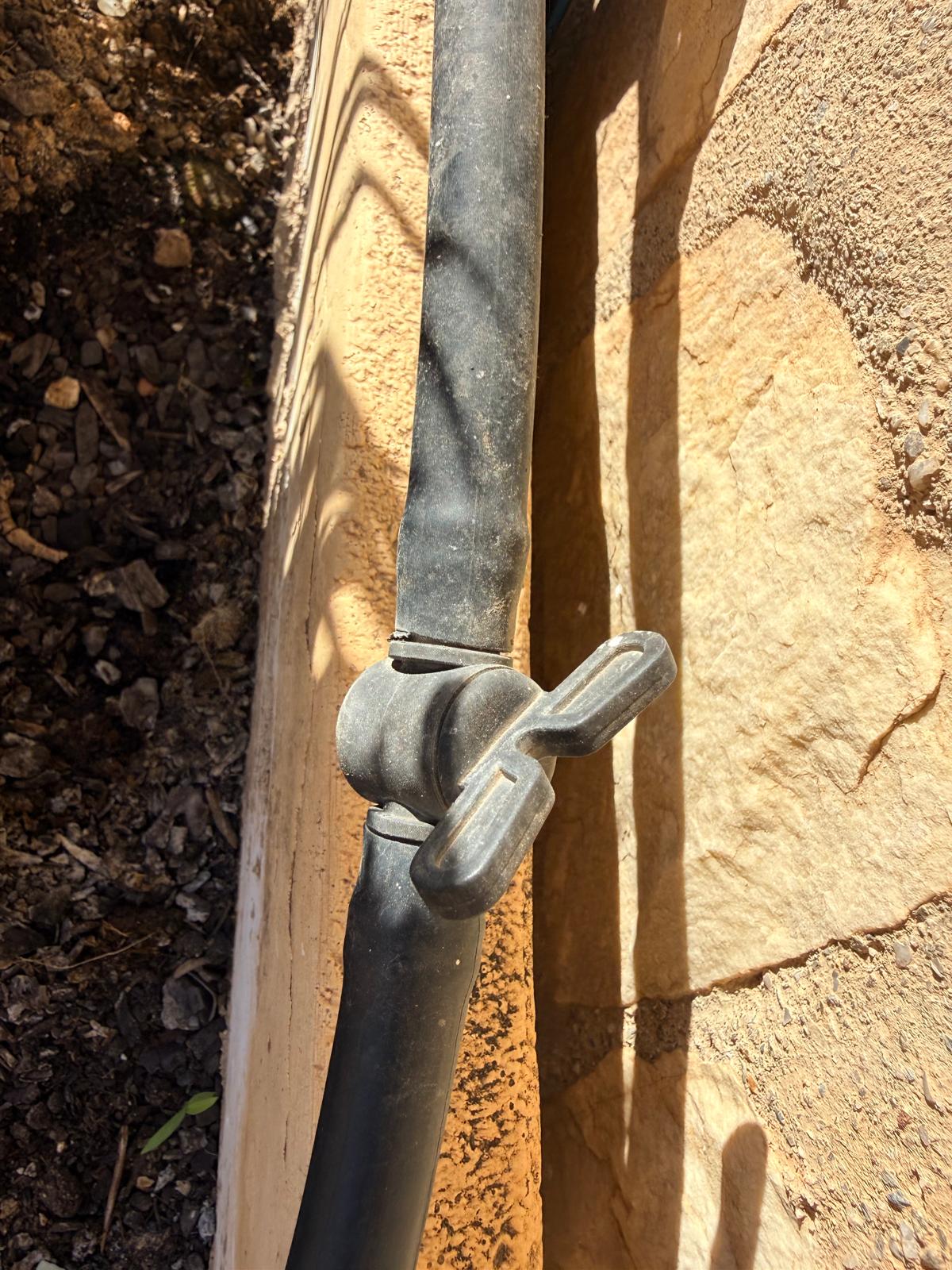
Photo 1: Main Supply Valve
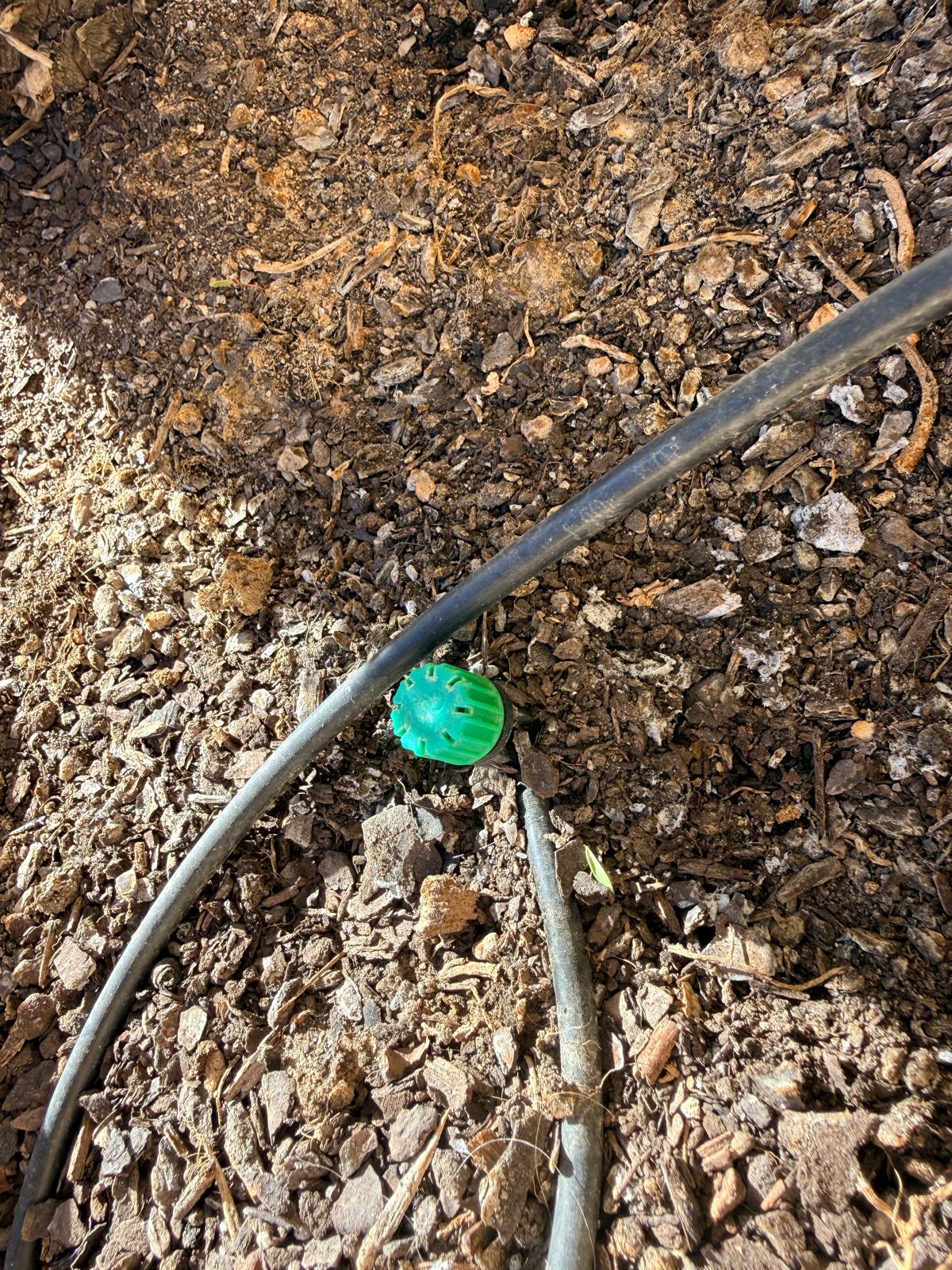
Photo 2: Drip Emitter
Photo 3: Cycas revoluta
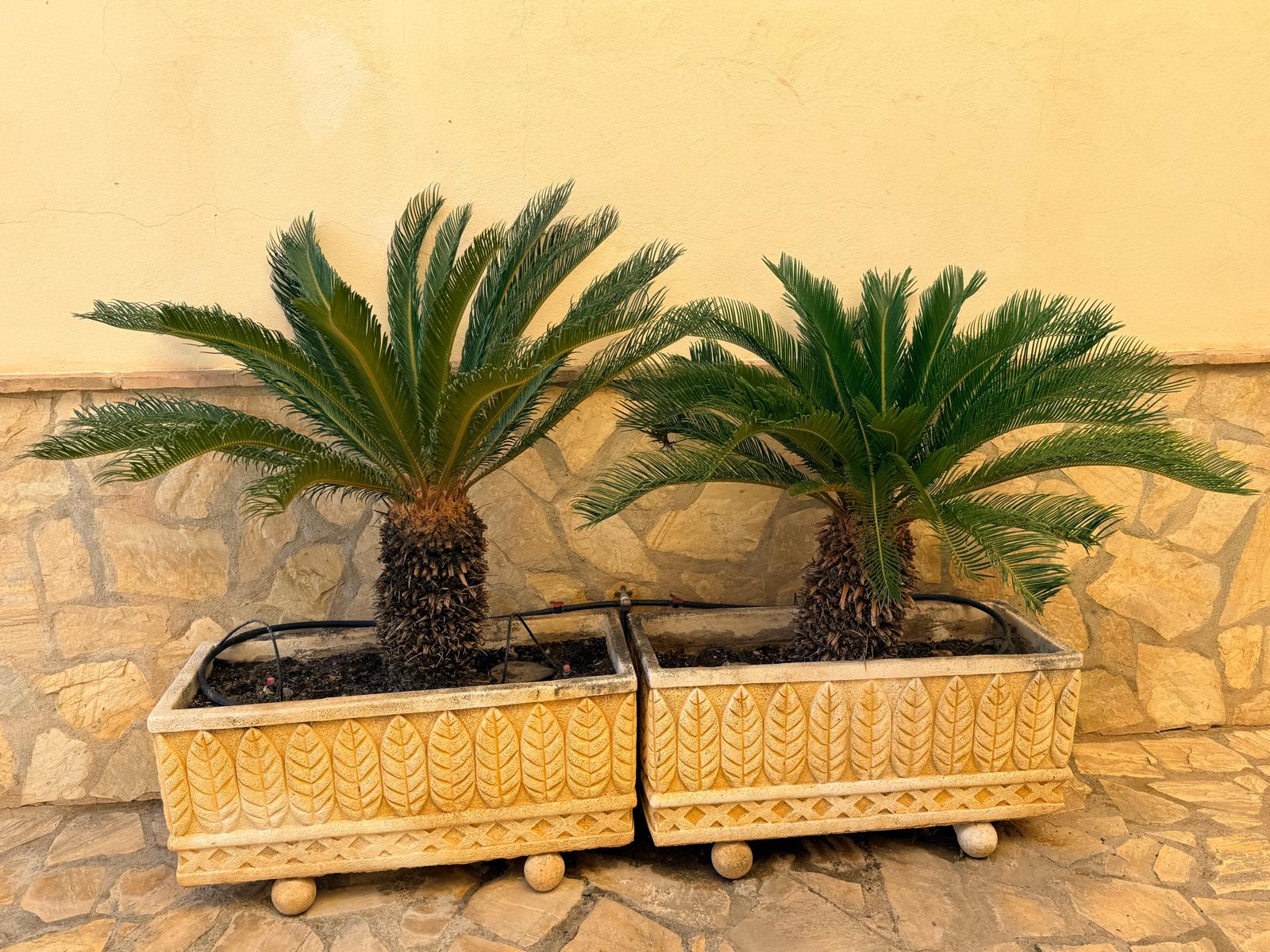
Photo 4: Cycas revoluta
Photo 5: Euphorbia ingens
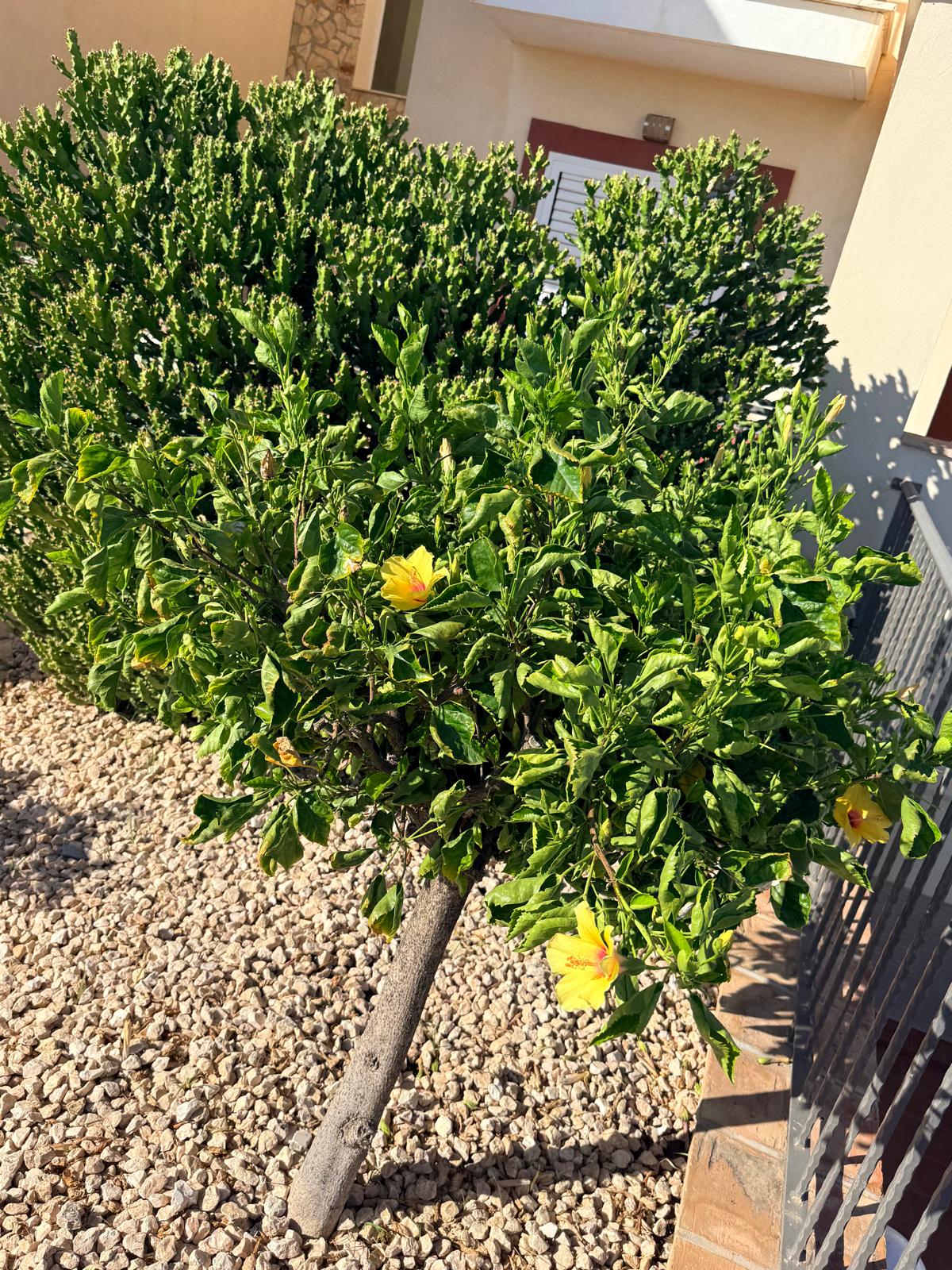
Photo 6: Hibiscus rosa-sinensis
Photo 7: Hibiscus rosa-sinensis
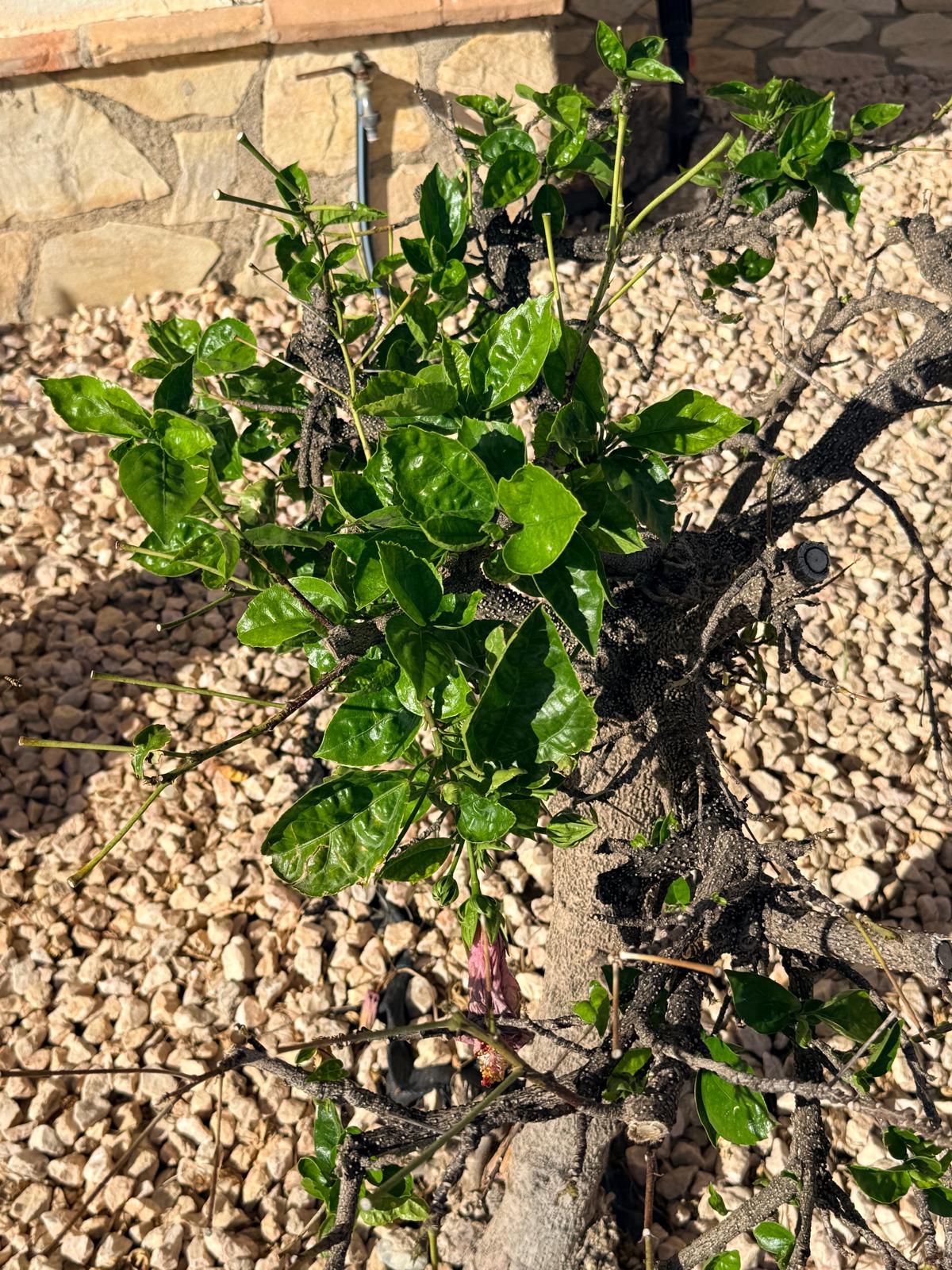
Photo 8: Hibiscus rosa-sinensis
Photo 9: Strelitzia reginae
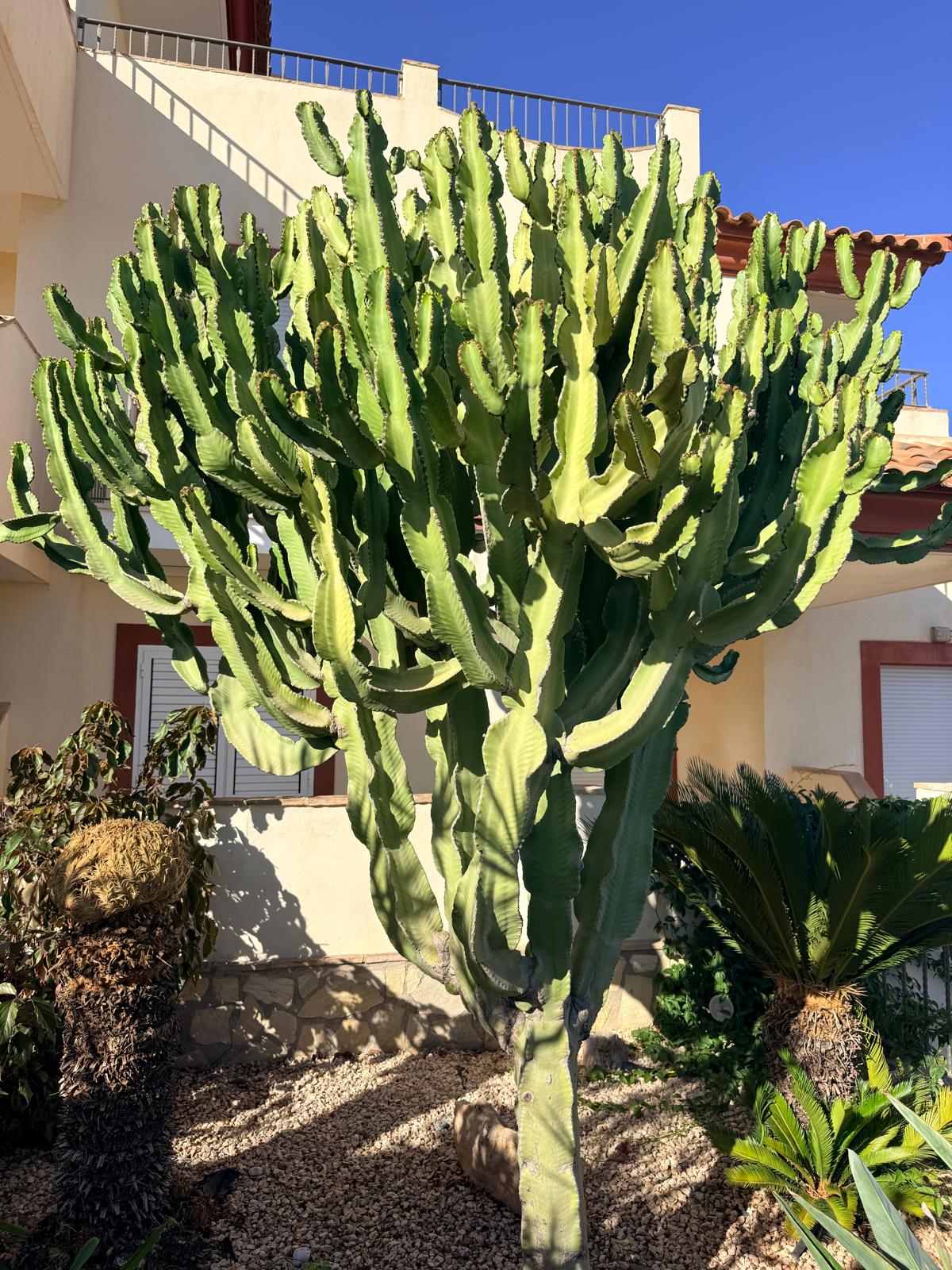
Photo 10: Euphorbia ingens
Photo 11: Dracaena marginata
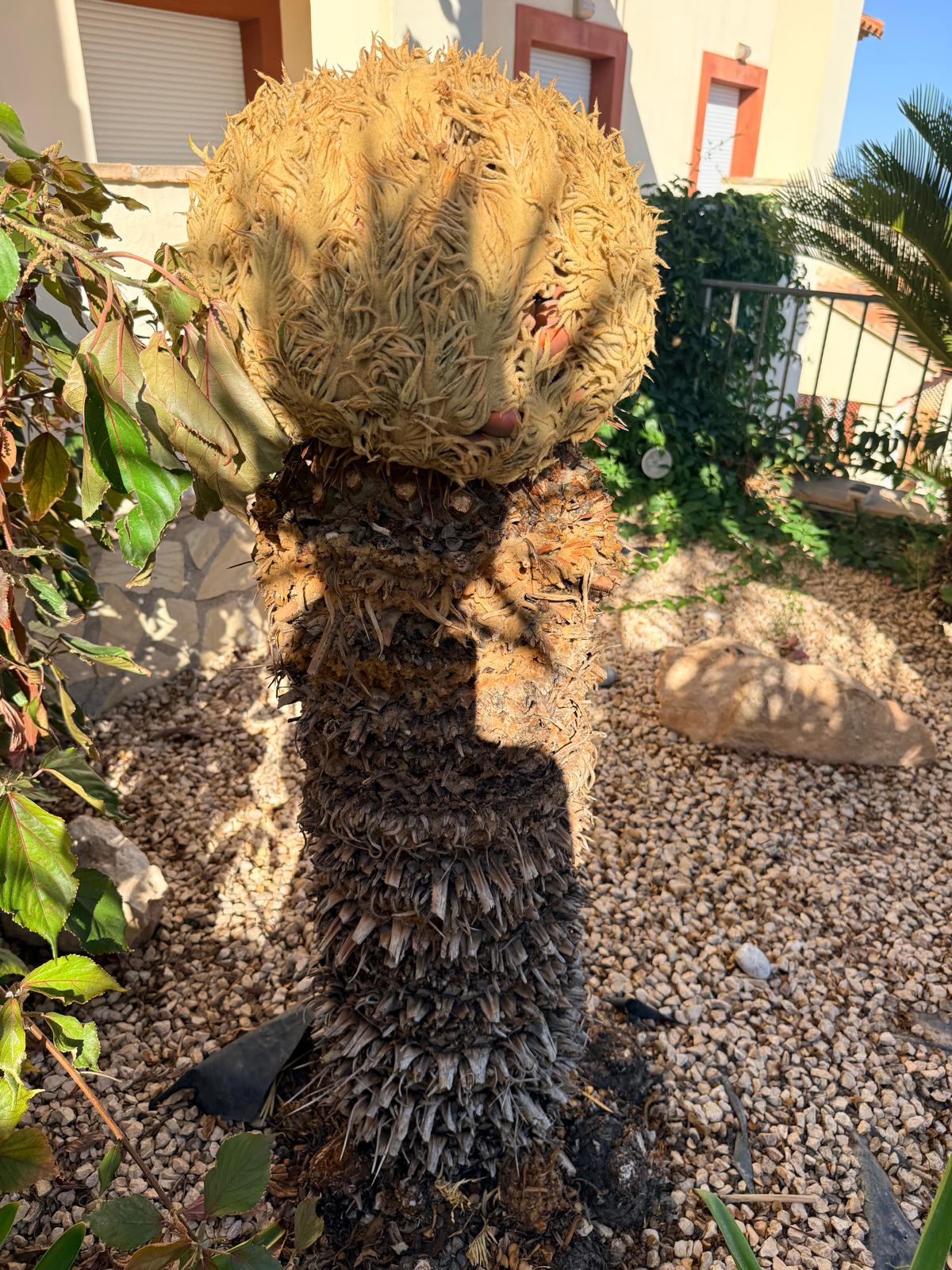
Photo 12: Cycas revoluta
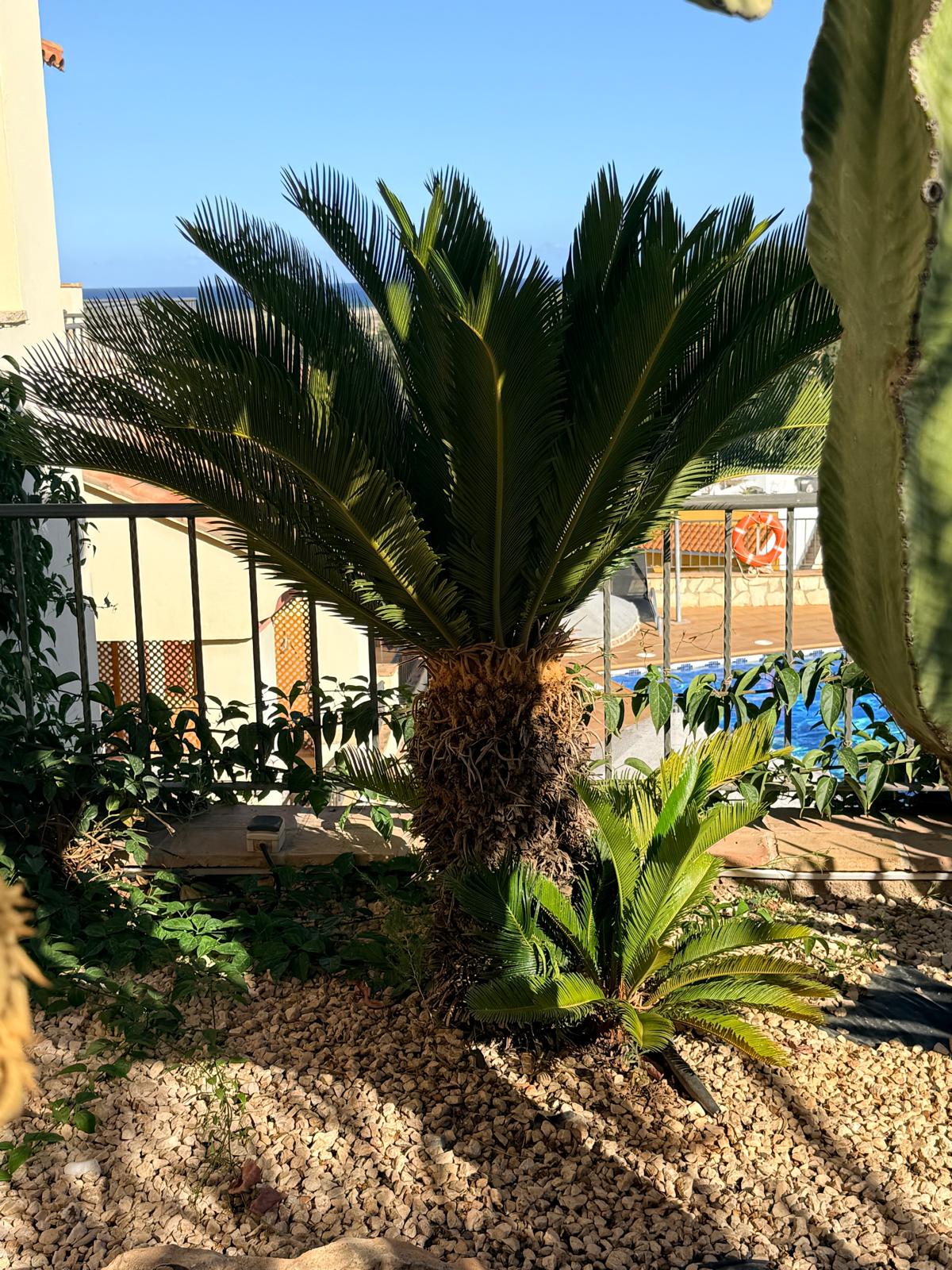
Photo 13: Cycas revoluta
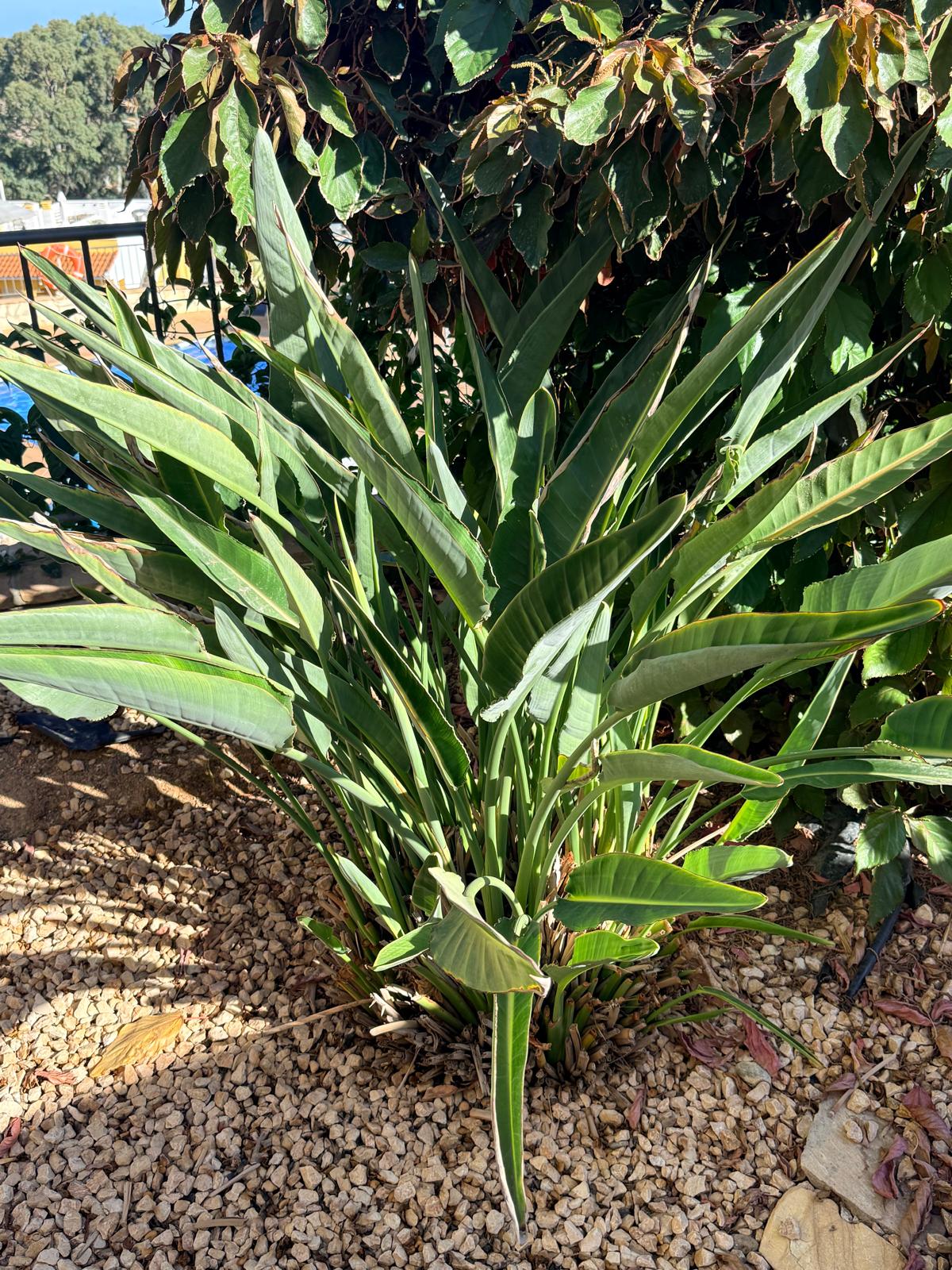
Photo 14: Strelitzia reginae
Photo 15: Crassula ovata
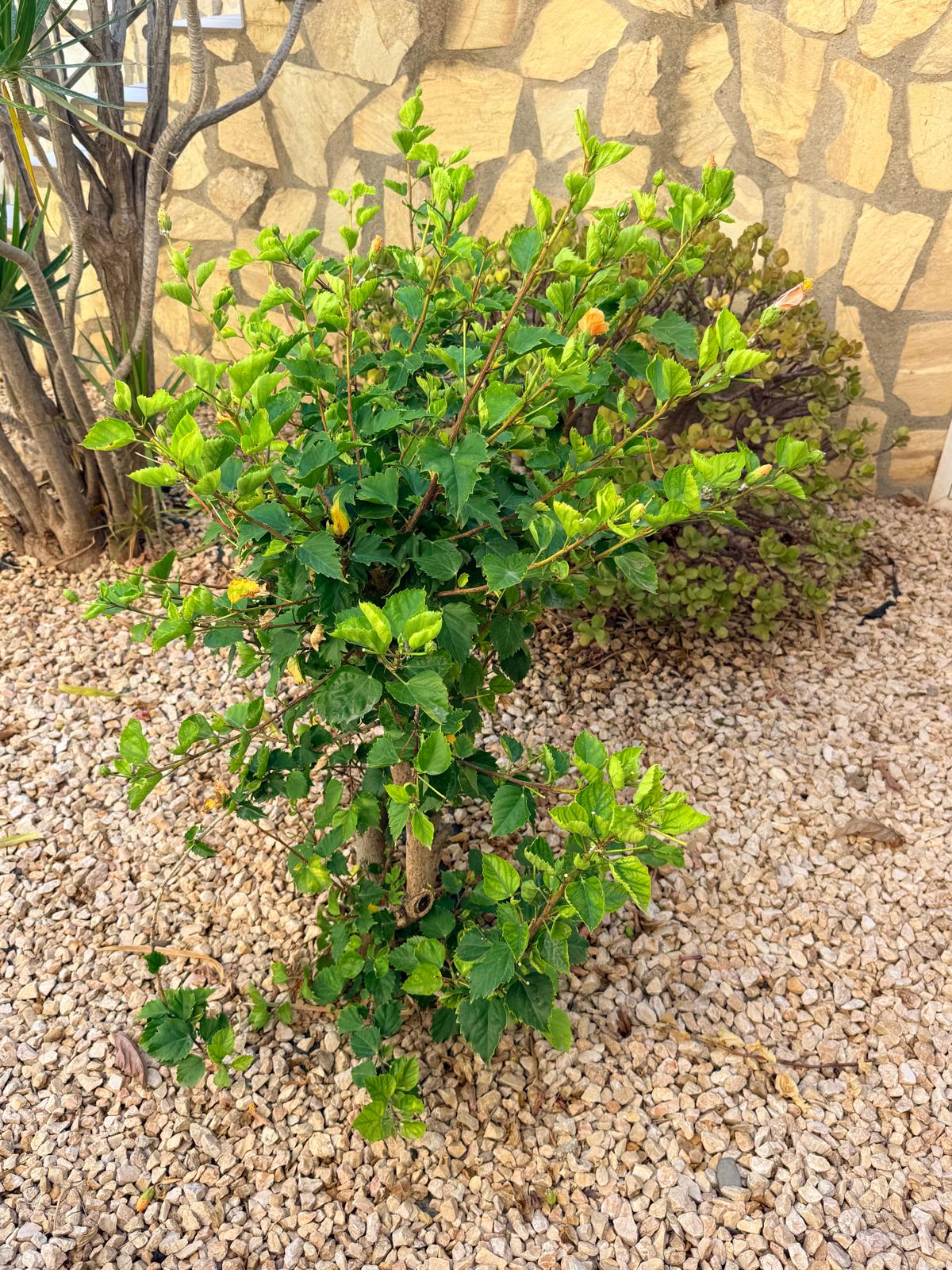
Photo 16: Hibiscus rosa-sinensis
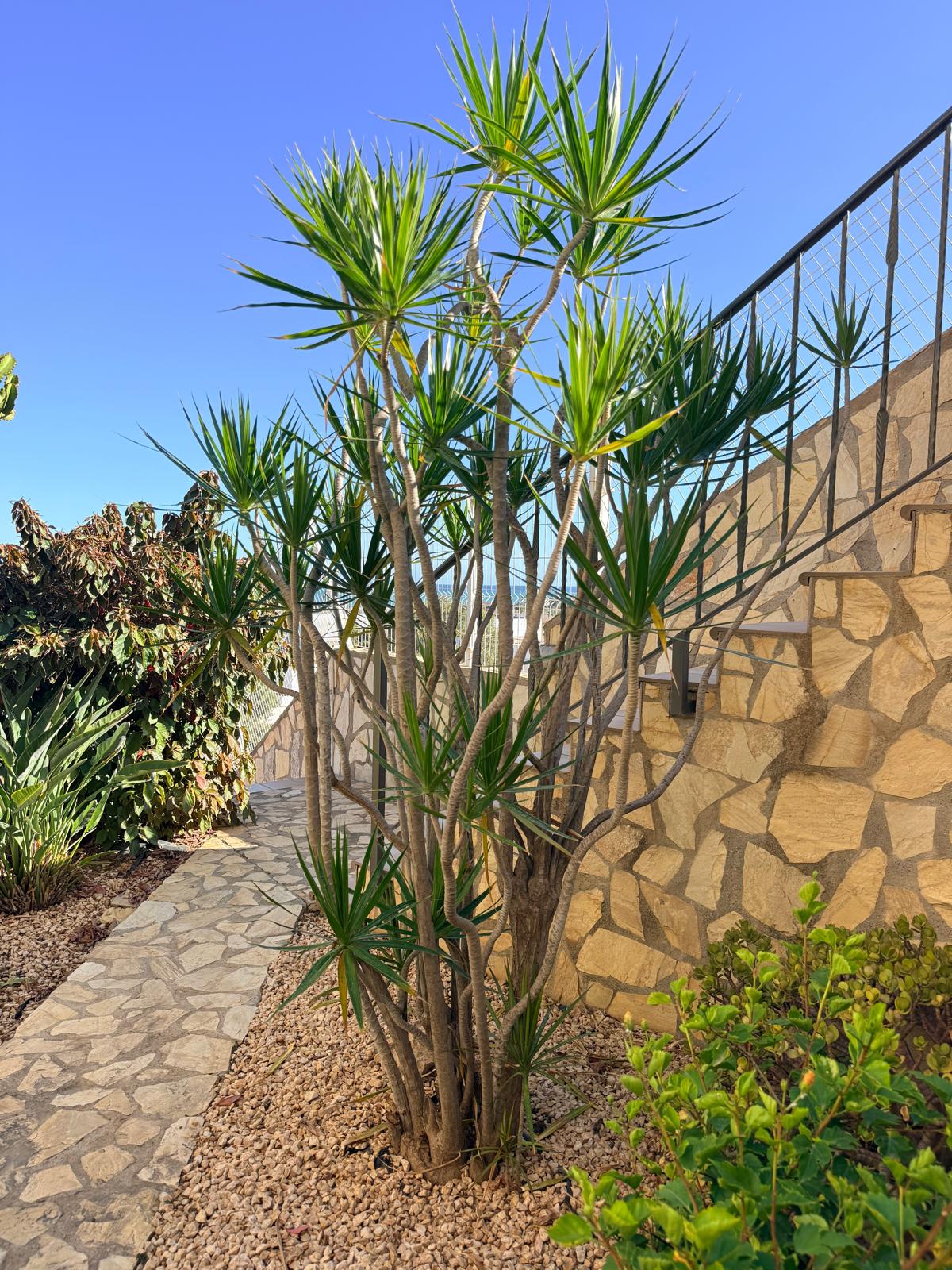
Photo 17: Dracaena marginata
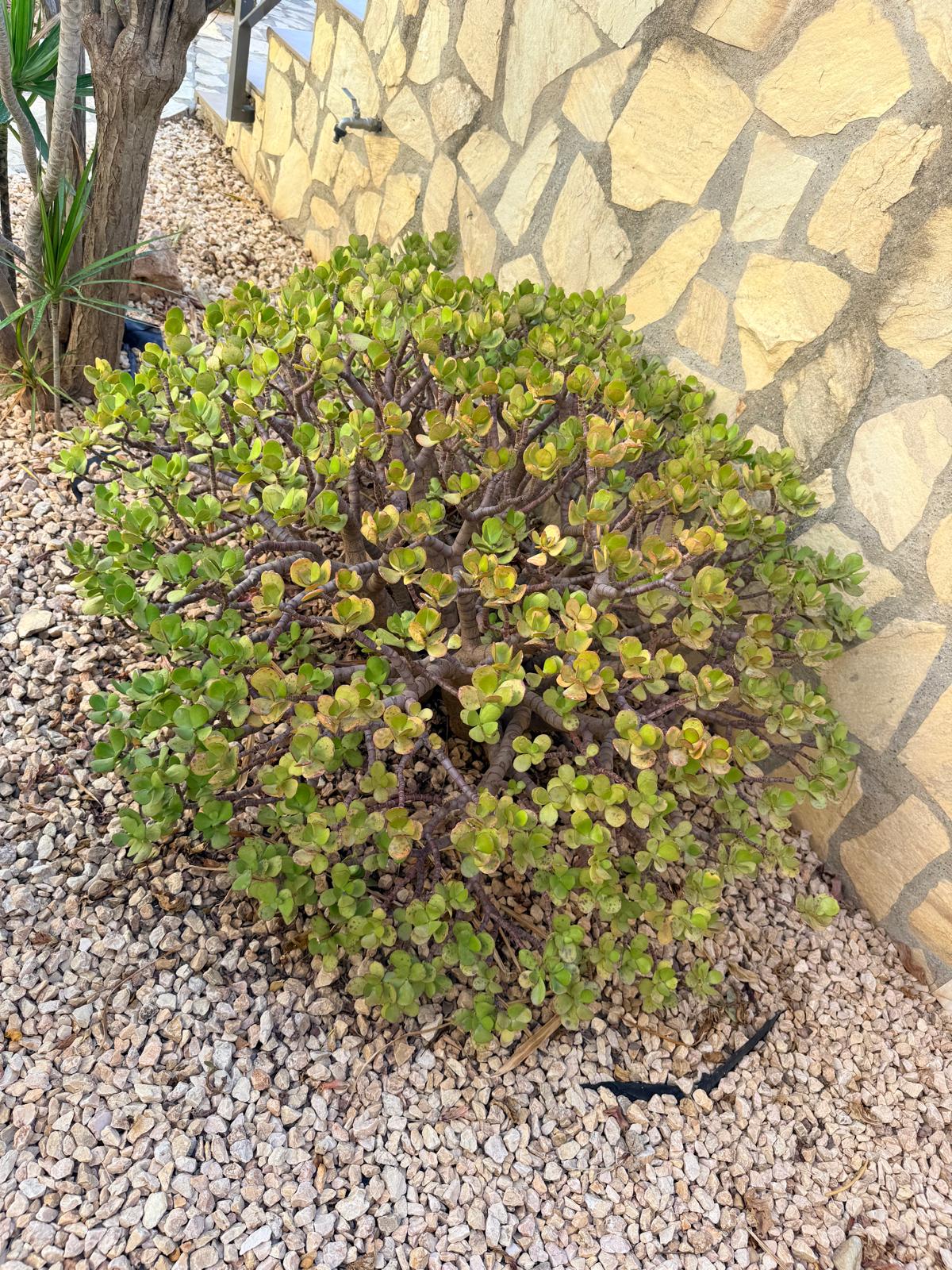
Photo 18: Crassula ovata